Chamaecyparis obtusa With Browning Foliage at the Tips
Chamaecyparis obtusaChamaecyparis obtusa
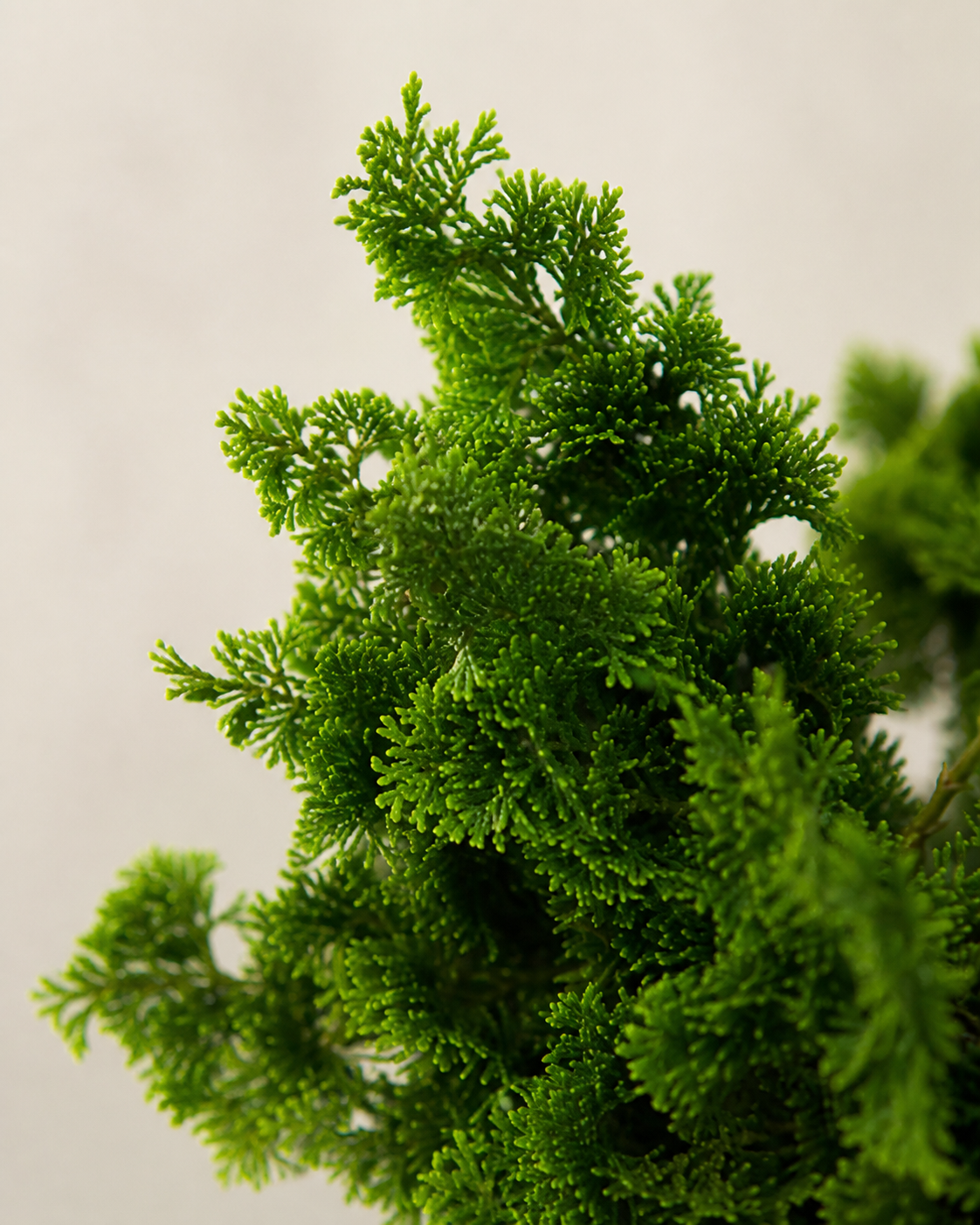
DIAGNOSIS
This Chamaecyparis obtusa is showing a moderate foliage problem expressed as browning and decline in the leafy sprays. In hinoki cypress, this pattern is commonly linked to environmental stress around moisture balance, exposure, and airflow rather than a single dramatic event.
PLAN FOR THE COMING DAYS
- 01
Keep soil evenly moist, not soggy or bone dry.
- 02
Check whether harsh sun or drying wind hits the shrub.
- 03
Improve airflow around dense surrounding growth.
- 04
Prune only fully brown or dead foliage tips.
FIELD NOTES
Why it happens
Chamaecyparis obtusa, often called hinoki cypress, keeps its foliage year-round, so any disruption in growing conditions tends to remain visible for a while. When the fine sprays begin to brown at the tips or in scattered sections, the plant is often reacting to stress in the root zone or in the surrounding microclimate. Soil that swings between too dry and too wet can interfere with normal water movement through the plant. Once that balance is disturbed, the outermost foliage is usually the first place where damage appears.
Exposure also matters. Bright sun combined with drying wind can desiccate tender foliage, while heavy shade and stagnant air may weaken the plant over time and make older sprays fade unevenly. In many garden cases, the problem is not one isolated mistake but a combination of inconsistent watering, compacted soil, reflected heat, or limited airflow around dense branching.
How to recognize it
A moderate leaf issue on Chamaecyparis obtusa usually appears as browning at the ends of the flattened sprays, patchy bronzing, or a dull, tired look that spreads beyond a single tiny spot. The foliage may feel dry and crisp in some sections, while inner growth stays greener for a time. Because hinoki cypress has naturally layered texture, early stress can be easy to miss until the color contrast becomes more obvious.
What separates this from a purely cosmetic seasonal shift is persistence. If the browning continues, expands, or affects multiple branch tips at once, the plant is signaling that its growing conditions need adjustment. Moderate severity means recovery is still realistic, but the plant should not simply be left to "grow out of it" without a closer look.
Recovery plan
Start with moisture. The root zone should stay evenly moist but never waterlogged. If the soil dries hard between waterings, rehydrate it slowly and deeply; if it stays soggy, improve drainage and reduce excess irrigation. A light mulch layer can help buffer temperature and moisture swings, but it should be kept away from the trunk itself.
Next, assess placement. If the shrub is exposed to harsh afternoon sun or drying wind, some shelter can reduce further foliage burn. If it is crowded, gentle thinning of nearby competing growth may improve airflow without stripping the plant. Remove only fully browned tips or dead sprays, since partially green growth may still contribute to recovery.
Prevention
Hinoki cypress responds best to stable conditions. Avoid abrupt changes in watering habits, protect the root area from repeated drought stress, and watch for sites where hot reflected light or confined air puts extra pressure on the foliage. Regular observation is usually enough to catch the next round of stress before browning spreads far.
With a moderate problem like this, the goal is not a dramatic intervention but steadier care. Once moisture, exposure, and airflow are brought back into balance, Chamaecyparis obtusa often resumes healthier color in new growth.
IN THE OWNER'S WORDS
“I thought the color change was minor at first, but the browned tips kept spreading across the outer sprays.”
COMMON QUESTIONS
0401Why is my Chamaecyparis obtusa turning brown at the tips?
Tip browning on Chamaecyparis obtusa often points to environmental stress, especially uneven soil moisture, drying wind, strong sun exposure, or poor airflow around the foliage.
02Can brown hinoki cypress foliage turn green again?
Fully browned foliage usually does not turn green again, but the plant can recover if conditions improve and healthy new growth replaces damaged tips.
03How often should I water a stressed Chamaecyparis obtusa?
There is no single schedule that fits every site. The goal is consistently moist soil without prolonged dryness or waterlogging, adjusted to weather, soil type, and season.
04Should I cut off brown tips on hinoki cypress?
Yes, but only remove tips or sprays that are completely brown and dead. Partly green growth may still help the plant recover.