Juniperus horizontalis in Peak Form, Calm and Flourishing
Juniperus horizontalisJuniperus horizontalis
Why this plant is healthy
Why this plant is thriving
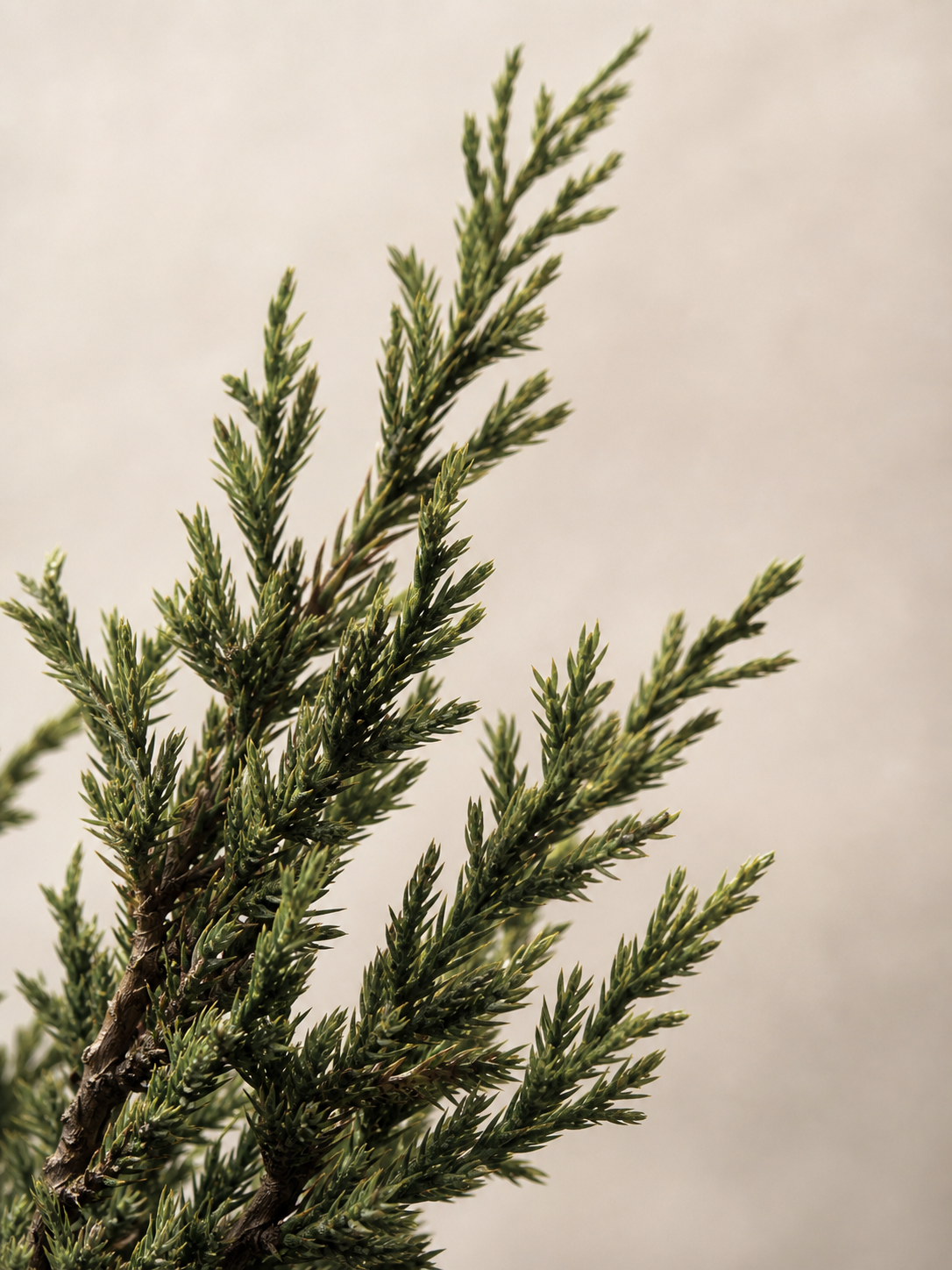
Juniperus horizontalis is valued for its dense, low habit and dependable evergreen presence, and this specimen shows the kind of balance gardeners hope to see in a mature groundcover conifer. When a creeping juniper holds an even color and a tidy, natural spread, it usually means the fundamentals are aligned: ample light, moisture that does not linger excessively around the roots, and a substrate that supports steady anchoring and gas exchange.
This species is especially comfortable when it can grow without crowding. Good air movement around the foliage helps the plant maintain its natural texture, while an open setting allows its horizontal form to develop as intended. In a thriving plant, the stems extend gradually and the canopy looks composed rather than forced. That quiet consistency is often the clearest sign that the environment is already doing much of the work.
How to recognize a healthy Juniperus horizontalis
A healthy plant in this species reads as composed, even, and seasonally stable. The foliage should look consistent for the cultivar and time of year, and the branching pattern should appear well knit across the surface of the plant. Rather than racing upward, Juniperus horizontalis typically expresses health through steady lateral growth and a dense, settled silhouette.
You may also notice that a well-positioned specimen keeps its shape with relatively little intervention. That is one of the strengths of this conifer: when the site is right, it tends to maintain an attractive form naturally. The overall impression should be one of resilience and ease, with the plant looking integrated into its space rather than struggling to adapt to it.
Ongoing care plan
Because this plant is already doing well, the goal is not to change course but to preserve the conditions that support that success. Keep it in bright, open light so the growth remains compact and even. Water with moderation, aiming for consistency rather than excess, and let the rooting zone avoid prolonged saturation.
A coarse, well-draining substrate is a strong long-term ally for creeping juniper. If mulch is used nearby, keep it light and away from the central crown so the plant’s natural spread and airflow remain uninterrupted. Resist the urge to overwork the plant: heavy feeding and frequent reshaping are rarely necessary for a specimen that is already settled.
Prevention through stability
The best way to keep Juniperus horizontalis thriving is to protect the balance it already has. Stable light, measured watering, and space to spread are more valuable than frequent intervention. Periodic observation is enough to confirm that the plant continues to hold its color, texture, and natural layered form.
In other words, this is a plant that rewards restraint. Maintain the open environment it prefers, avoid overhandling, and support the root zone with good drainage. When those basics stay in place, Juniperus horizontalis can remain a calm, durable, and visually grounding presence in the landscape.
PLAN FOR THE COMING DAYS
- 01
Keep the plant in bright, open light.
- 02
Water moderately and avoid prolonged saturation around roots.
- 03
Maintain a coarse, well-draining substrate.
- 04
Give the plant space for natural horizontal spread.
- 05
Use only light, occasional shaping if needed.
IN THE OWNER'S WORDS
“I love that it looks settled and self-assured, as if the garden finally found exactly the right place for it.”
COMMON QUESTIONS
0401What conditions help Juniperus horizontalis stay healthy?
Bright light, moderate watering, good drainage, and open airflow support steady, balanced growth in Juniperus horizontalis.
02How can I tell if creeping juniper is thriving?
A thriving plant keeps an even overall look, a dense spreading habit, and a stable, well-knit canopy that suits the season and cultivar.
03Does Juniperus horizontalis need frequent pruning?
Usually no. When it is growing in a suitable spot, this species often keeps an attractive natural form with only occasional light shaping.
04What kind of soil is best for Juniperus horizontalis?
A coarse, well-draining substrate is ideal because it helps the root zone stay balanced and well aerated.