Monstera deliciosa With Stalled Growth in a Tight Pot
Monstera deliciosaMonstera deliciosa
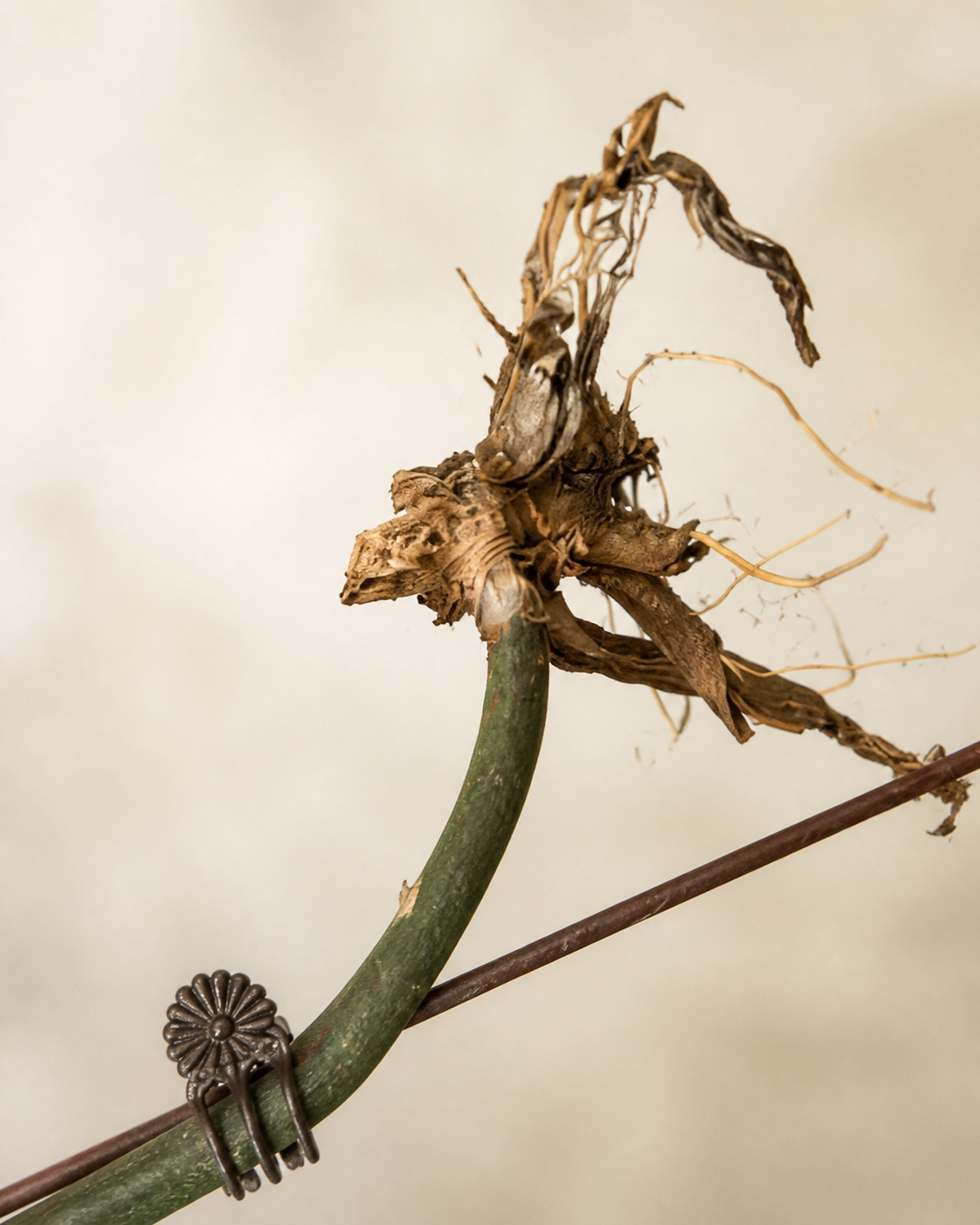
DIAGNOSIS
This Monstera deliciosa is showing a critical pot-related problem, most likely because the root system no longer has appropriate space, structure, or aeration to function normally. When the container limits root health, the plant often slows down, declines unevenly, and becomes harder to water correctly.
PLAN FOR THE COMING DAYS
- 01
Take the plant out and inspect the root ball.
- 02
Repot into a pot with drainage and slightly more room.
- 03
Replace exhausted soil with a loose aroid mix.
- 04
Trim only dead or mushy roots.
- 05
Keep in bright indirect light while roots recover.
FIELD NOTES
Why it happens
A pot problem sounds simple, but for **Monstera deliciosa** it can trigger a whole chain of stress. This species relies on a healthy, oxygen-rich root zone to support large leaves, steady growth, and balanced water uptake. When the pot is no longer suitable, roots may circle tightly, compress into dense old mix, or sit in conditions that stay too wet or too airless for too long.
At a critical stage, the container itself becomes part of the problem. The plant may be root-bound, the soil may have broken down and lost structure, or the pot may no longer drain and dry at a workable pace. In all of these cases, the botanical issue is the same: roots cannot regulate water and oxygen efficiently, so the rest of the plant begins to struggle.
How to recognize it
Pot-related stress is often less dramatic than a single pest outbreak, but it has a broad effect. Growth may stall even during the active season. New leaves can emerge smaller, slower, or slightly deformed. Older leaves may yellow or decline without a clear pattern, especially if watering seems inconsistent from week to week.
Another common clue is that routine care stops working. The pot may dry out extremely fast because roots have filled most of the space, or it may stay wet too long because compacted mix no longer breathes well. Either pattern can produce a plant that looks thirsty and overwatered at the same time. With Monstera deliciosa, that contradiction is often a sign that the root environment—not just the watering schedule—needs attention.
Recovery plan
Start by treating this as a root-zone issue rather than a leaf issue. Remove the plant from its container and inspect the root ball. If roots are tightly circling, densely packed, or trapped in exhausted soil, the plant will benefit from being repotted into a container that gives the root system room and airflow.
Choose a pot with drainage and use a loose, structured aroid mix that does not collapse around the roots. If you find clearly dead, mushy, or dry nonfunctional roots, trim only what is no longer viable. Then replant at the same general depth, settle the mix gently, and water enough to connect roots with the fresh substrate without leaving the pot waterlogged.
After repotting, give the plant bright indirect light and a short period of stability. Avoid compensating with heavy fertilizer right away; stressed roots recover more reliably in balanced conditions than in overly rich ones. The goal is simple: restore a root environment where moisture, oxygen, and space are back in proportion.
Prevention
Monstera deliciosa usually benefits from periodic pot checks rather than waiting for obvious decline. If roots are circling heavily, if the mix has become dense and tired, or if watering behavior has turned erratic, the pot setup may already be overdue for correction.
A suitable container is not just about size. It is also about drainage, air in the substrate, and enough room for roots to expand without sitting in excess stagnant moisture. Keeping that balance is one of the most reliable ways to prevent a routine pot issue from becoming a critical setback.
IN THE OWNER'S WORDS
“I thought it just needed better watering, but the real issue was how cramped and tired the pot had become.”
COMMON QUESTIONS
0401How do I know if my Monstera deliciosa has a pot problem?
Look for stalled growth, uneven decline, roots circling the pot, and watering that has become unusually fast or unusually slow to dry.
02Can a too-small pot make Monstera leaves yellow?
Yes. When roots run out of space or air, the plant cannot manage water normally, and yellowing can follow.
03Should I water more if the plant looks stressed in a tight pot?
Not automatically. A stressed root system often makes watering symptoms misleading, so inspect the roots and pot setup first.
04What kind of potting mix is best after repotting?
A loose, structured aroid mix with good drainage and air pockets is usually more suitable than dense, compact soil.