Paulownia tomentosa Leaves Showing Bug Damage in Summer
Paulownia tomentosaPaulownia tomentosa
DIAGNOSIS
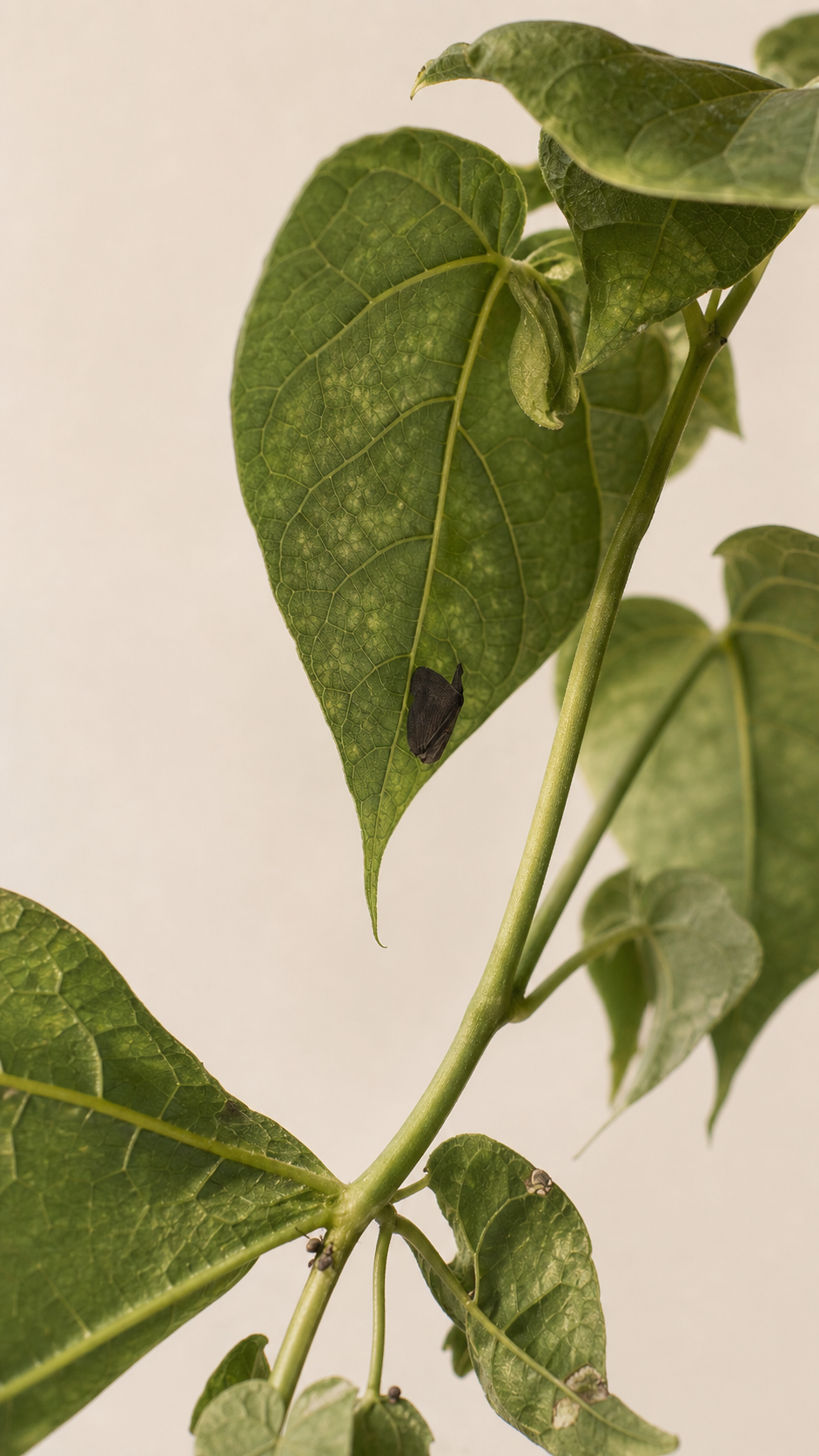
This Paulownia tomentosa is showing moderate insect-related damage. The problem develops when feeding insects target tender foliage, reducing leaf surface and putting the tree under noticeable but usually manageable stress.
PLAN FOR THE COMING DAYS
- 01
Inspect both sides of the leaves for active insects and feeding marks.
- 02
Remove only the leaves that are heavily damaged and no longer useful.
- 03
Keep soil moisture even to support replacement growth.
- 04
Clear weeds and plant debris from around the base.
- 05
Reduce visible insects by hand or with a gentle plant-safe treatment.
FIELD NOTES
Why it happens
Paulownia tomentosa grows fast and produces large, soft leaves that can be especially attractive to leaf-feeding insects. When pests feed on fresh tissue, they remove parts of the blade, weaken photosynthetic capacity, and leave the tree spending energy on replacement growth instead of steady development. In a moderate case, the plant is not usually in immediate danger, but repeated feeding can slow vigor and make the canopy look uneven or tired.
Because this diagnosis is in the broad bug category, the exact culprit may vary from one garden to another. Chewing insects, small leaf-feeders, or insects sheltering on the undersides of leaves can all create similar visible stress. What matters most is the pattern: damage caused by feeding activity rather than a nutrient issue or purely environmental scorch.
How to recognize it
Look closely at the foliage, especially newer leaves and the undersides of larger ones. Insect damage often appears as irregular holes, missing edges, surface scraping, stippling, or patches where tissue has been thinned or distorted. You may also notice tiny insects, cast skins, droppings, or clusters hidden along veins and stems.
A moderate infestation usually means the plant still has enough healthy leaf area to keep growing, but the damage is easy to see without hunting for it. The canopy may appear ragged, with some leaves more affected than others. Unlike uniform yellowing from a root or feeding problem, bug damage tends to be patchy and physically uneven.
Recovery plan
Start with simple inspection and cleanup. Remove the most damaged leaves only if they are largely spent; if a leaf is still doing useful work, it is often better to leave it in place while the plant recovers. Check both upper and lower leaf surfaces so hidden insects are not missed.
Support the tree with steady, non-stressful care while pressure declines. Even moisture helps Paulownia tomentosa replace lost tissue more efficiently, while overcrowded weeds or debris around the base can give pests extra shelter. If insects are still active, reducing their numbers by hand or with a gentle plant-safe approach is usually enough for a moderate case.
Prevention
Prevention is mostly about observation and timing. Fast-growing trees can move from a few feeding insects to visible damage quickly, so regular leaf checks matter more than dramatic intervention. Avoid pushing lush, overly tender growth with excessive feeding, because that can make fresh foliage even more appealing to pests.
A healthy Paulownia tomentosa often tolerates some insect activity without long-term harm. The goal is not to create a perfectly untouched leaf canopy, but to keep feeding damage below the level where the tree loses too much energy to repair itself.
IN THE OWNER'S WORDS
“I thought the ragged leaves meant the tree was failing, but it turned out to be a manageable pest issue.”
COMMON QUESTIONS
0401What bugs commonly damage Paulownia tomentosa leaves?
Different leaf-feeding insects can damage Paulownia tomentosa, including chewing pests and insects hiding on leaf undersides. The exact species may vary, but the visible result is usually uneven feeding damage.
02Can Paulownia tomentosa recover from moderate bug damage?
Yes. If enough healthy leaf area remains and the feeding pressure is reduced, the tree usually recovers with steady moisture and low-stress care.
03How do I tell bug damage from nutrient deficiency on Paulownia tomentosa?
Bug damage is usually irregular, patchy, and physical, such as holes, chewed edges, scraping, or distorted tissue. Nutrient problems more often cause broader, more uniform discoloration.
04Should I remove all damaged leaves from Paulownia tomentosa?
No. Remove leaves that are heavily damaged and no longer contributing much, but keep partially functional leaves so the tree can continue photosynthesis while recovering.