Picea abies in Fine Form, Fresh and Flourishing
Picea abiesPicea abies
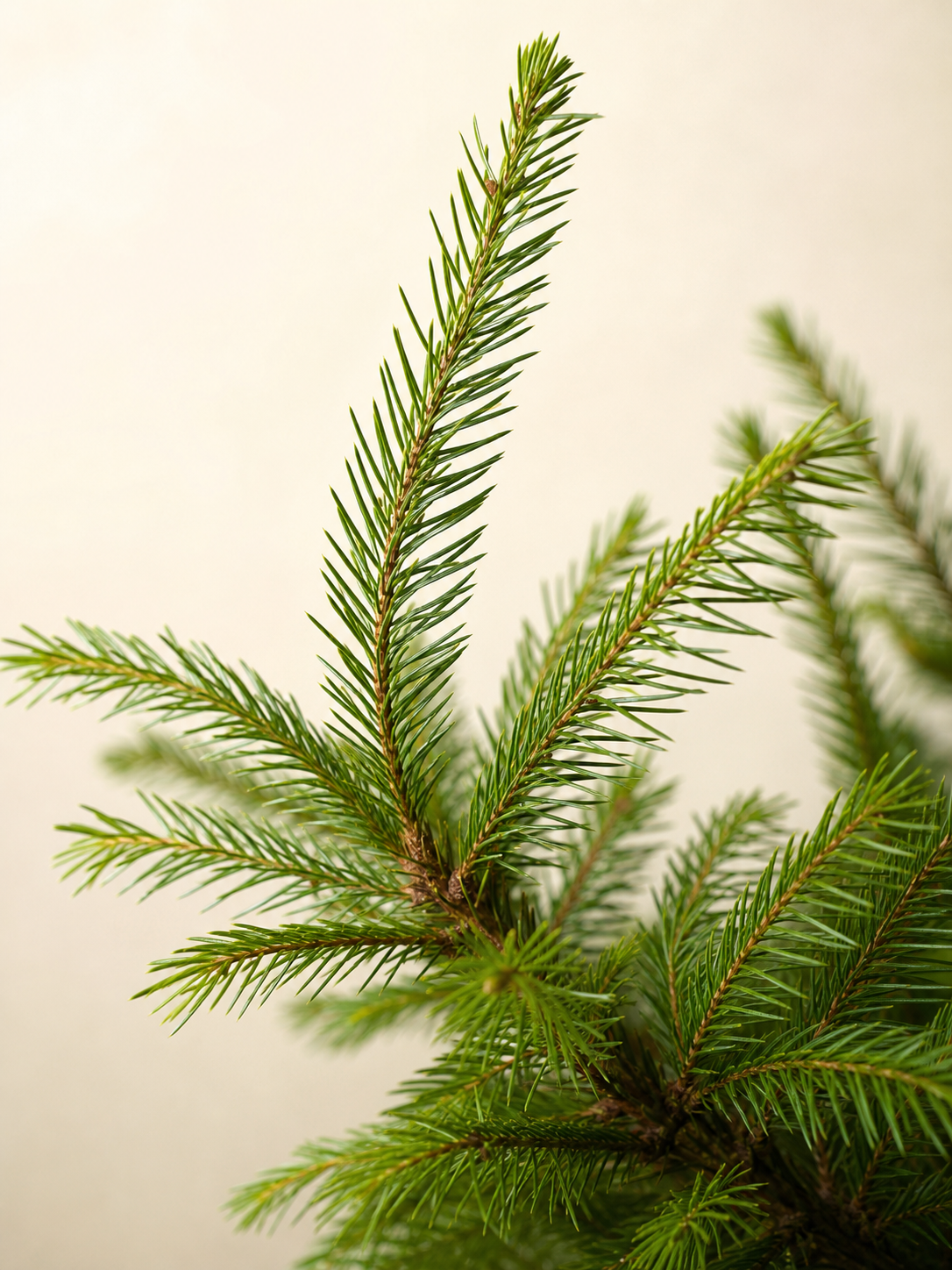
Why this plant is healthy
Picea abies, commonly known as Norway spruce, looks at its best when everyday conditions stay consistent rather than dramatic. In this case, the plant’s healthy state points to a well-balanced combination of light, moisture, root space, and surrounding air. Nothing appears to be pulling it out of rhythm, which is often the clearest sign that a conifer is being kept in a way that suits its natural habits.
Why it’s thriving
A healthy Picea abies typically benefits from bright conditions, dependable watering, and a substrate that holds enough moisture without becoming stagnant. When those elements stay in balance, the plant can direct its energy into even growth and the maintenance of dense, fresh-looking needles. Good environmental stability matters as much as any single care task: conifers tend to appreciate a setting that does not swing too sharply between dry and wet, dim and bright, or still and stuffy.
Just as important is the match between species and routine. Picea abies responds well when care is measured and observant rather than excessive. The current health of this plant suggests that its keeper has landed on that useful middle ground: enough attention to maintain moisture and light, without unnecessary interference.
How to recognize a healthy plant
A thriving Norway spruce usually presents an overall impression of fullness, balance, and steady development. Growth looks orderly rather than erratic, and the foliage reads as fresh and well-kept. The plant holds itself with a natural, composed structure, and its appearance feels seasonally appropriate rather than forced.
Health in a conifer is often less about dramatic signals and more about continuity. When Picea abies is happy in its setting, it tends to look consistently settled from week to week. That visual steadiness is valuable: it tells you that the current environment is supporting the plant in a sustainable way.
Ongoing care plan
The best next step is not to change course but to preserve what is already working. Keep light exposure consistent, maintain even moisture in the substrate, and continue using a growing medium that suits conifer roots. Avoid abrupt shifts in placement or watering rhythm, as this species generally rewards steady care.
It also helps to keep observing the plant as the seasons move. Indoor temperatures, daylight length, and evaporation rates can change gradually through the year, so small adjustments in attention may be useful even when the overall plan remains simple. The goal is not to manage every detail, but to protect the stable conditions that are already supporting this healthy Picea abies.
Prevention through consistency
For a plant that is already doing well, prevention means preserving balance. Regular check-ins, moderate watering, and an appropriate environment go a long way toward keeping growth strong and foliage attractive. With Picea abies, consistency is often the most effective form of good care.
PLAN FOR THE COMING DAYS
- 01
Keep light conditions steady and bright.
- 02
Maintain even substrate moisture.
- 03
Use a suitable, airy conifer substrate.
- 04
Avoid abrupt changes in placement or care rhythm.
IN THE OWNER'S WORDS
“I haven’t tried to overmanage it—just kept the conditions steady, and the spruce has responded beautifully.”
COMMON QUESTIONS
0401Why is my Picea abies growing well right now?
Healthy growth usually reflects a good match between light, moisture, substrate, and the surrounding environment. When these factors stay balanced, Picea abies can grow steadily and maintain fresh, dense foliage.
02How often should I water a healthy Picea abies?
The goal is even moisture rather than a rigid schedule. Water in a measured way so the substrate does not swing sharply between very dry and overly wet.
03What kind of soil does Picea abies prefer?
Picea abies does well in a substrate that retains some moisture while still allowing air around the roots. A conifer-friendly, structured growing medium supports ongoing health.
04Does a healthy Norway spruce need a lot of changes in care?
Usually not. This species often responds best to consistency, so maintaining stable light, moisture, and placement is more useful than making frequent adjustments.