Picea glauca With Browning Needles From Fertilizer Stress
Picea glaucaPicea glauca
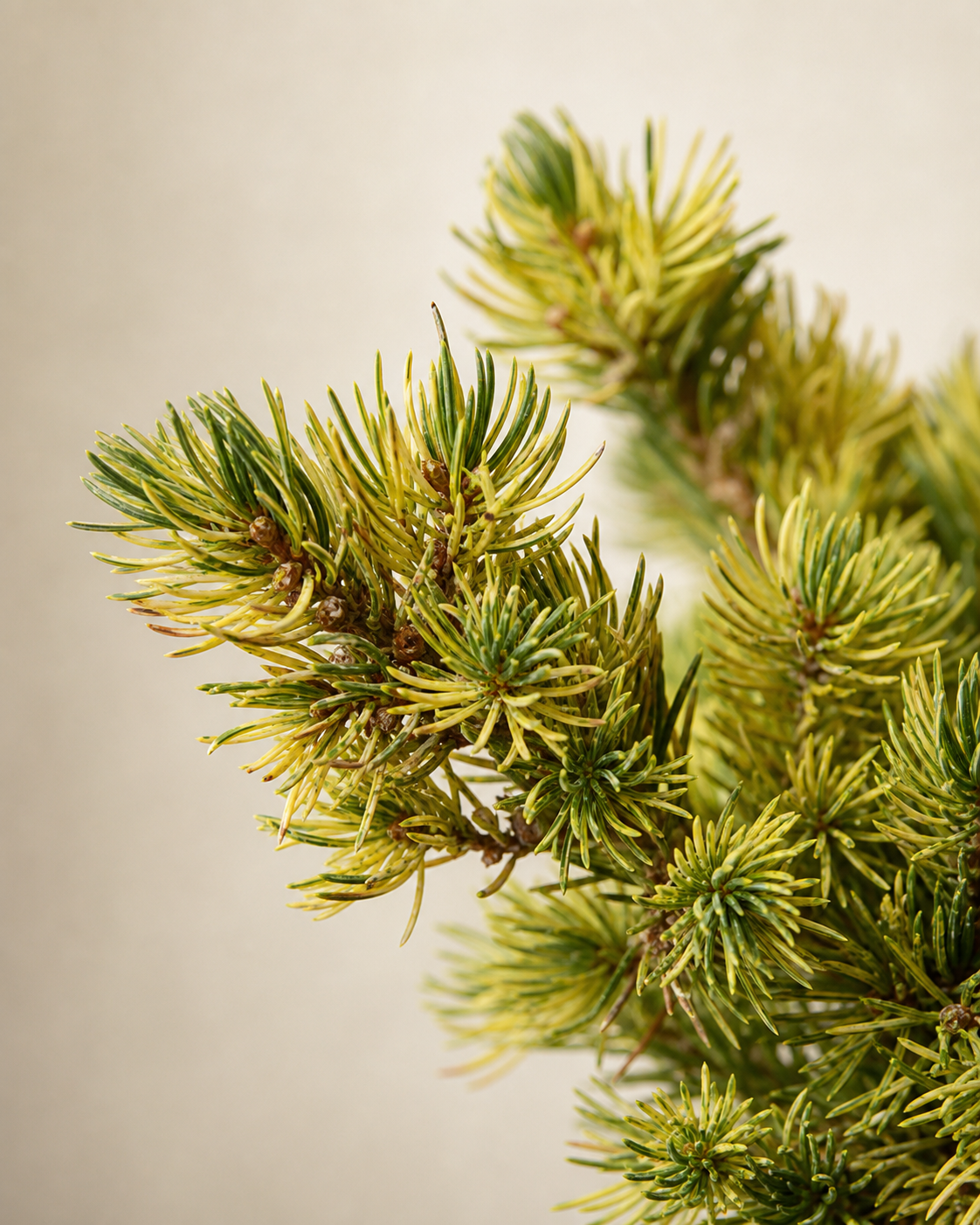
DIAGNOSIS
This Picea glauca is showing moderate fertilizer stress, most likely from excess feeding or fertilizer placed where roots absorb too much at once. White spruce roots are sensitive to salt buildup, so overfertilizing can disrupt water uptake and lead to browning needles and general decline.
PLAN FOR THE COMING DAYS
- 01
Stop fertilizing immediately.
- 02
Water deeply if the soil drains well.
- 03
Keep soil evenly moist, not soggy.
- 04
Do not add stronger or extra doses.
- 05
Watch new growth for stabilization.
FIELD NOTES
Picea glauca, commonly known as white spruce, does not usually need heavy feeding to stay healthy. When a tree begins to show browning needles after fertilization, the problem is often not a lack of nutrients but too much of them. In moderate cases, the plant can recover, but the first step is to stop treating it as if more fertilizer will help.
Why it happens
Fertilizer contains mineral salts. In small amounts, these support growth; in excess, they create stress around the roots. Picea glauca is especially sensitive to this imbalance. When salt levels rise in the soil, roots struggle to absorb water normally, even if the soil itself is moist. This can produce a drought-like response: needles dull, then brown, and the plant may look tired or patchy.
Overfeeding can happen in several ordinary ways. A gardener may apply lawn fertilizer too close to the root zone, feed too often during the growing season, or use a stronger dose than the label intends. Slow decline after repeated feeding is common, especially in conifers that naturally prefer steadier, lower-input conditions.
How to recognize it
Moderate fertilizer stress often appears as browning or scorched-looking needles, usually without the soft, mushy texture associated with rot. Growth may seem uneven, and the tree can lose some of its fresh green tone. If fertilizing happened recently or regularly, that timing matters.
The key clue is context: a spruce that was fed with good intentions but then began to discolor may be reacting to excess salts rather than hunger. This is particularly worth considering when no major signs point to chewing insects or a clear infectious disease pattern.
Recovery plan
The immediate goal is to reduce further stress. Stop fertilizing for now and avoid adding any “corrective” dose. If the soil drains reasonably well, deep watering can help move some dissolved salts lower in the soil profile, where they are less damaging to the finest roots. Keep moisture even, not soggy.
Do not prune aggressively right away unless there is clearly dead material. The tree still needs as much functioning foliage as possible while it stabilizes. Over the next weeks, watch for whether new decline slows down. Existing brown needles may not turn green again, but the aim is to protect remaining healthy growth and support steadier recovery.
Prevention
White spruce generally performs best when fertilized lightly, infrequently, and only when there is a real reason to feed. Avoid applying lawn products over the root zone, and never assume that extra nutrients will solve discoloration. With conifers, restraint is often better care than abundance.
IN THE OWNER'S WORDS
“I thought I was helping the spruce grow faster, but the needles started looking singed instead.”
COMMON QUESTIONS
0401Can too much fertilizer make Picea glauca needles turn brown?
Yes. Excess fertilizer raises salt levels around the roots, which interferes with water uptake and can cause browning needles.
02Will brown needles on white spruce turn green again?
Usually no. Existing brown needles often stay damaged, but the goal is to protect healthy foliage and prevent further decline.
03Should I fertilize a stressed white spruce again to fix the problem?
No. If fertilizer stress is the issue, more feeding can worsen root stress rather than correct it.
04How do I help a spruce recover from fertilizer burn?
Stop fertilizing, water deeply if drainage is good, and keep soil moisture even while the tree stabilizes.