Rafflesia arnoldii in Exceptionally Strong and Stable Health
Rafflesia arnoldiiRafflesia arnoldii
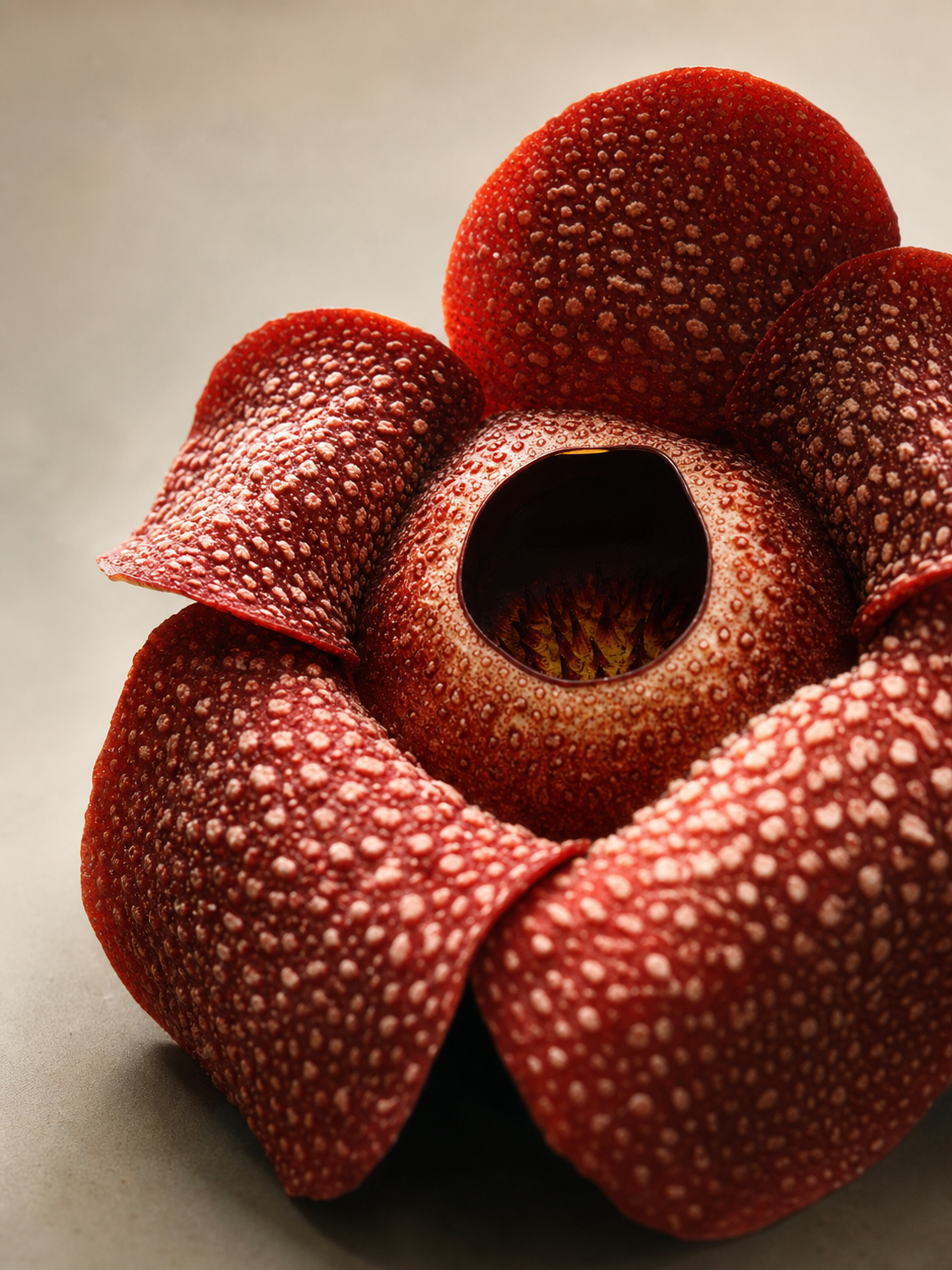
Why this plant is healthy
Why it’s thriving
Rafflesia arnoldii does well when its environment remains consistent rather than dramatic. As a species associated with warm, humid forest conditions and a living host vine, it benefits most from balance: filtered light, dependable ambient moisture, and a substrate that stays naturally buffered by organic matter. When those pieces work together, the plant can maintain steady development without visible strain.
Another sign of a thriving specimen is environmental harmony. This species is not one that rewards frequent interference; it responds best when the surrounding habitat is allowed to remain stable. Gentle air movement, an even moisture profile, and protection from abrupt swings in temperature or exposure all help preserve the conditions that support healthy growth.
How to recognize a healthy plant
A healthy Rafflesia arnoldii is best understood through context as much as appearance. The area around it should feel humid but not stagnant, sheltered but not airless, and naturally shaded rather than deeply dark. Good health in this species is less about fast change and more about quiet continuity: the habitat feels settled, and the plant’s development appears supported rather than forced.
Because Rafflesia depends on a host, the condition of that host relationship also matters. When the surrounding biological system is functioning smoothly, the plant is more likely to hold its strength over time. Healthy growth is tied not only to the individual specimen, but also to the quality of the microclimate and the steadiness of the forest-like setting around it.
Ongoing care plan
The best care plan here is a light-touch one. Preserve the current balance of humidity, shade, and moisture instead of trying to intensify any one factor. Avoid unnecessary disturbance around the rooting and host zone, and let the substrate remain naturally rich and undisturbed.
In practical terms, maintenance means observation more than intervention. Continue providing stable filtered light, keep moisture levels even, and protect the area from drying winds or abrupt environmental shifts. If the present setup has been supporting healthy growth, consistency is more valuable than adjustment.
Prevention through stability
Future success with Rafflesia arnoldii comes from protecting the conditions that already suit it. Rather than changing routines, focus on preserving habitat steadiness: moderate light, reliable humidity, and a substrate environment that stays biologically active. A thriving plant often reflects a thriving system, and this specimen appears to be benefiting from exactly that kind of equilibrium.
PLAN FOR THE COMING DAYS
- 01
Keep light bright but filtered and avoid abrupt exposure changes.
- 02
Maintain even ambient humidity and consistent moisture in the surrounding substrate.
- 03
Protect the host and root zone from disturbance or compaction.
- 04
Preserve a warm, stable environment with gentle air movement.
IN THE OWNER'S WORDS
“I’ve had the best results by leaving the habitat steady and simply paying attention to its natural rhythm.”
COMMON QUESTIONS
0401What conditions help Rafflesia arnoldii stay healthy?
It benefits from a stable, humid environment with filtered light, a biologically active substrate, and an undisturbed relationship with its host plant.
02Does Rafflesia arnoldii need direct sun?
It generally does better with soft, filtered light than with harsh direct exposure, especially in a habitat that aims to mimic warm forest conditions.
03How important is humidity for Rafflesia arnoldii?
Humidity is very important because this species thrives in moist, warm surroundings where the air and substrate remain evenly balanced.
04What is the best way to care for a healthy Rafflesia arnoldii?
The best approach is to preserve what is already working: stable moisture, gentle shade, minimal disturbance, and a consistent microclimate.